
Understanding Betrayal Trauma:
When Trust Is Shattered
When Trust Is Shattered
Betrayal trauma occurs when the person you rely on most for safety, love, and attachment violates that trust, through secrecy or addictive behaviours. This type of trauma reaches into your attachment system and your neurobiology. It can shake your sense of reality, your intuition, and your ability to feel grounded in your own relationships.Many clients describe feeling numb, hypervigilant, overwhelmed, or unable to stop replaying events. These are not overreactions. They are expected nervous-system responses to deception from someone you depended on for safety.
Therapy becomes a space to steady your body, understand what happened, and begin recovery at a pace that feels safe and respectful of your story.

Types of Betrayal Trauma
Betrayal trauma can take many forms. It may stem from:
Regardless of the form it takes, betrayal trauma injures attachment and can impact your emotions, your body, and your perception of yourself and your relationships.
The Trauma of Discovery
Discovering a partner’s betrayal often feels like the ground has dropped out from beneath you. For many, the pain is intensified and compounded by realizing the betrayal wasn’t a single event, but a pattern of secrecy.
You may experience:
These reactions closely mirror post-traumatic stress symptoms, and in many cases, individuals feeling them are in fact meeting criteria for PTSD. The relationship that once felt safe suddenly feels dangerous.
It is completely normal to feel “out of control” or “like you’re going crazy.”
You are not crazy. You are traumatized.
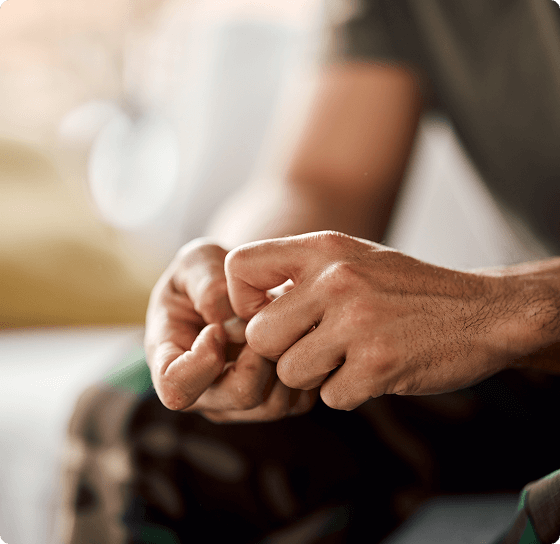

— Viktor Frankl
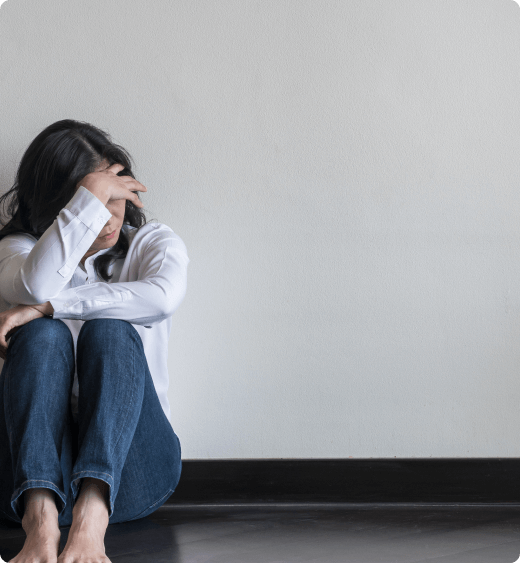
It’s Not Your Fault
Betrayed partners are often blamed for the betrayal (known as gaslighting) or have their experience minimized, by their partner, friends, or by people who urge forgiveness before safety. But the reactions you’re having, rage, tears, fear, confusion, are expected neurobiological responses to an attachment rupture.
When a partner deceives you, your brain and body react as though your foundation has collapsed. You might find yourself asking:
- Was any of this real?
- How could this happen?
- Who am I now?
- Can I ever trust again?
This crisis of identity and safety is part of betrayal trauma.
Your reactions make sense. Your pain is valid.
This is not your fault.
Our Approach to Betrayal Trauma Counselling
At Toronto Trauma & Addiction Counselling, our approach is grounded in empathy, collaboration, and advanced trauma training. Founded and led by Registered Psychotherapist Betzalel Wolff, our process involves integrating specialized therapies that address both the emotional and relational impact of betrayal.
We use therapeutic approaches such as:
Our work as allies in your healing and recovery, guiding you toward self-awareness, safety, and resilience, without judgment or labels.


The Path to Healing: What to Expect from Your Counselling Sessions
Your first session focuses on understanding your story in a safe, judgment-free space. Together, you and your therapist will explore your current symptoms, triggers, and goals for healing.
Every counselling session is confidential and paced according to your comfort level. As therapy progresses, you can expect:
- Education about the neurobiology of betrayal trauma and attachment.
- Strategies to regulate the body’s stress response.
- Tools for boundary setting and emotional self-care.
- Safe place to discuss relationship questions, uncertainties or decisions you may be facing.
Our goal is to help you regain control over your life; one grounded, mindful step at a time.
The Benefits of Betrayal Trauma Counselling
Counselling for betrayal trauma can help you:
- Restore a sense of emotional stability and calm.
- Rebuild trust in yourself and your perceptions.
- Develop healthy coping tools and self-care practices.
- Strengthen relationships built on honesty and safety.
- Experience renewed confidence, clarity, and self-compassion.
Healing takes time, but with the right therapist, each session brings you closer to a life defined by strength rather than pain.

Common Questions About Betrayal Trauma Counselling
Start Your Healing Journey with Us
If you are struggling after discovering your partner’s betrayal, please reach out. Recovery starts with reclaiming your safety and voice, step by step, with the right support.
At Toronto Trauma & Addiction Counselling, we’re here to guide you toward peace, empowerment, and authentic recovery.